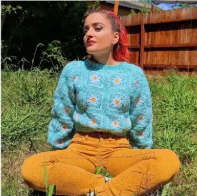
A gray crochet sweater is an easy piece to wear with jeans, skirts, or a simple dress. The neutral shade gives crochet texture a calm, versatile look. This guide covers ways to choose a gray shade, think about yarn and fit, and style the finished sweater. If you are making one, follow your own pattern for its exact stitch instructions and construction details.

Why choose a gray crochet sweater?
Gray works as a quiet background for a bold handmade texture. A light gray can feel soft and airy, while charcoal gives a sweater a more graphic look. Mid-gray is a useful in-between choice if you want the crochet details to remain visible but still want a garment that coordinates with everyday clothes. Gray also pairs well with cream, white, dusty pink, mustard, sage, denim blue, and black, so the same sweater can look different depending on what you wear underneath it.
If your sweater has stripes, color blocks, or decorative motifs, let gray serve as the grounding shade. Choose one or two accent colors rather than adding many at once. Cream details on a medium-gray background create a soft contrast, while muted blush or sage can make the palette feel gentle. A brighter accent can add a cheerful note. For a quieter look, keep the yarns close in tone and let the stitch texture provide most of the visual interest.
Choosing a crochet texture
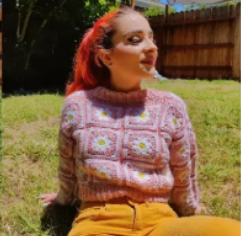
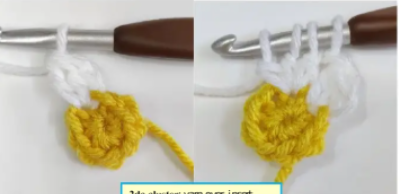
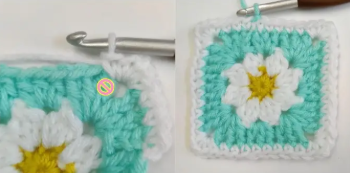
The supplied Daisy Sweater pages show a pullover built around flower-like crochet motifs and identify the pattern as using US crochet terms. Granny-square construction is appealing because each motif is a small, portable section of a larger garment. The floral center becomes a repeating detail, while the joining and edging bring the pieces together into a sweater. A gray version keeps attention on the daisy shapes and gives the finished fabric a versatile, wearable base.
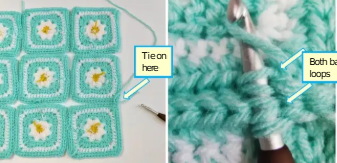
Before beginning a project, read its pattern and check the information about sizing, yarn, hook, gauge, construction, and finishing. These details vary by design, so use the designer’s instructions as your guide. If the pattern includes diagrams, keep them nearby and mark your place as you work. Make a note of any color choices or yarn substitutions so you can keep the sweater consistent from one section to the next.
Choosing gray yarn and accent colors
Start by choosing the overall effect you want. Pale gray tends to blend gently with light outfits and makes colorful flowers feel prominent. Medium gray is a practical everyday option that balances contrast and softness. Charcoal makes a stronger statement and can make pale petals look especially crisp. If you are unsure, place a few yarn shades beside the colors you usually wear and compare them in daylight. Indoor lighting can make gray yarn look warmer or cooler than it really is.
Use the yarn type and amount recommended in the pattern whenever possible. Fiber, thickness, and twist influence the drape, warmth, and size of a crocheted sweater. If you substitute yarn, make a gauge swatch using the same stitch pattern and hook you plan to use. Measure the swatch after it has been treated according to the yarn label. A difference in gauge can change the fit, even when you follow the same stitch counts, so adjust only after checking the pattern’s sizing guidance.
For color planning, lay out all the chosen shades together before making the full set of motifs. Photograph the arrangement or label each yarn so you can repeat it later. You might use the same accent colors in every square for a tidy, coordinated look, or rotate two petal shades for a playful finish. Keep enough of each color for the complete sweater and its finishing details, with a little extra for swatching and weaving in ends.
Planning the fit before you crochet
A sweater feels best when you plan the finished measurements instead of relying only on a size label. Compare the pattern’s measurement chart with a sweater you already like. Check body width, length, sleeve length, and the amount of ease suggested by the designer. Ease is the difference between your body measurement and the finished garment measurement. A close fit and a relaxed fit can both work; the important thing is choosing intentionally before you make the motifs or join the panels.
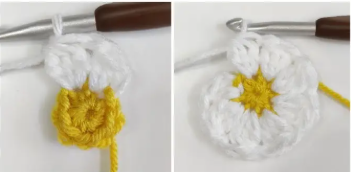
Try a quick layout with the motif count and arrangement described in the pattern. This helps you see how the motif placement will look and whether the gray background feels balanced. Follow the pattern if it gives a specific construction order, because the sections may be shaped or joined in a particular way. As you work, count completed motifs and compare the panels regularly. A simple checklist can prevent one sleeve or side from ending up with a different arrangement by accident.
Making the motifs and joining the sweater
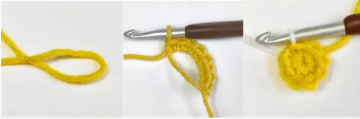
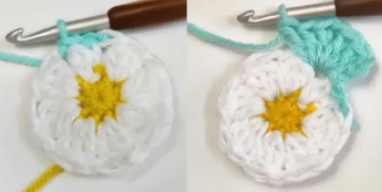
Work one complete motif first and use it to check your tension, color placement, and finished size. If it matches the pattern’s measurements, continue with the remaining motifs. If it is noticeably larger or smaller, revisit your hook and yarn choice before making a full pile of squares. Consistent tension helps the pieces line up neatly and makes the finished sweater more comfortable to wear.
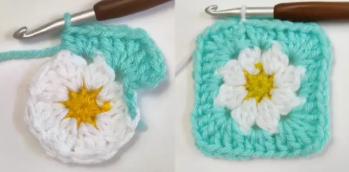
Keep your work organized by grouping motifs for the front, back, and sleeves according to the pattern’s layout. A labeled tray or paper diagram can help. When joining, use the method specified by the designer, since a seam can affect both the appearance and flexibility of the fabric. Take time to align the edges and motifs, and pause after joining a section to check that the garment is sitting evenly. This slow check is easier than correcting several sections at once.
Finishing and caring for your handmade sweater
Finishing is what makes a crochet garment feel complete. Weave in yarn tails securely, then follow the pattern’s instructions for neckline, cuffs, hem, and any other edging. Try the sweater on as you go if the construction allows it. The neckline should sit comfortably, and the sleeves should move easily. Do not trim yarn ends too close before securing them, and avoid pulling seams so tightly that the fabric puckers.
Care for the finished sweater according to the yarn label. Some fibers can be machine washed, while others need gentle hand washing and flat drying. Store it folded rather than hanging if the yarn is heavy, since weight can stretch the shoulders. With gray yarn, check the care advice before washing alongside pale colors, especially if you have chosen a deep charcoal shade. Gentle care helps the stitches keep their shape and keeps the stitch details looking neat.
Styling your finished sweater
Because gray is neutral, a floral pullover can be the main detail in an outfit without requiring complicated styling. Wear it with straight-leg jeans and simple shoes for a relaxed look, or layer it over a plain dress when the weather is cool. A cream shirt underneath can echo pale petals, while a denim jacket or muted scarf keeps the palette casual. Let the accent colors guide your accessories, and keep the rest of the outfit simple when you want the crochet texture to stand out.
A wearable gray crochet sweater for your wardrobe
A gray crochet sweater with crochet details brings together a neutral color and a cheerful handmade detail. Choose the shade of gray that suits your wardrobe, use the yarn and measurements in the supplied pattern, and take time to check gauge and layout before joining the pieces. The result can be styled casually with denim or dressed up with a skirt and simple accessories. Most of all, follow the original PDF for the exact construction steps and enjoy making the project one motif at a time.